1. Overview
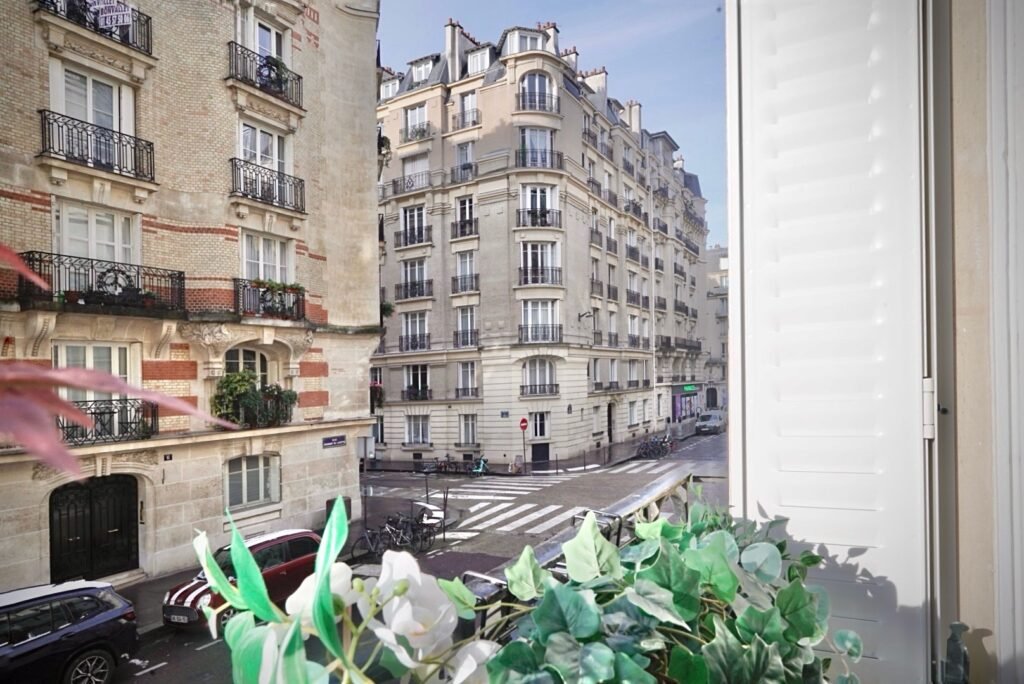
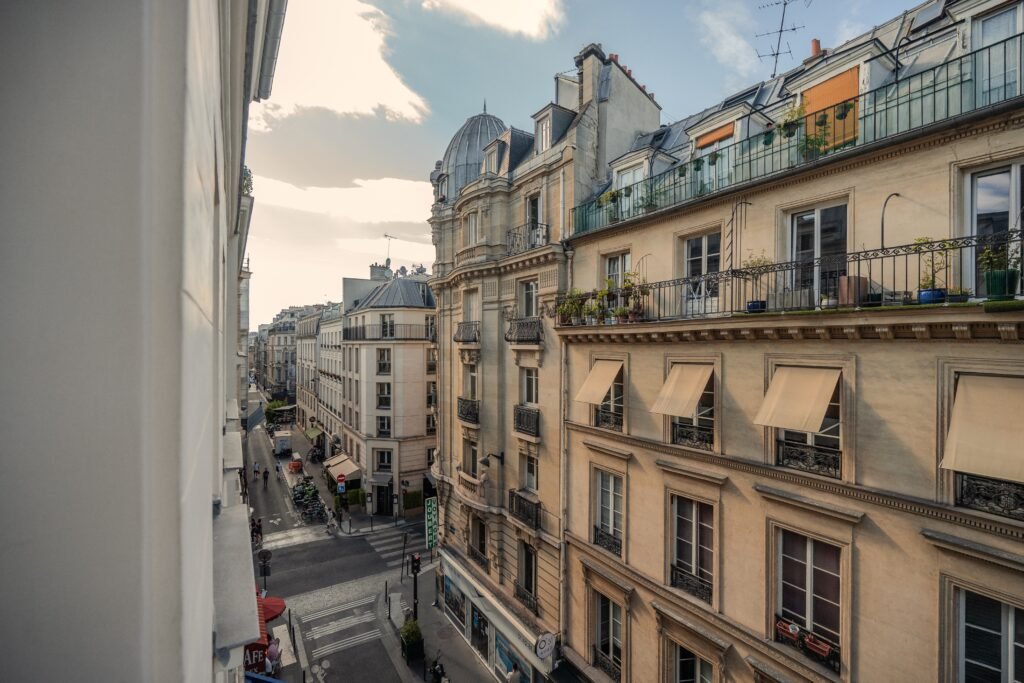
Montmartre, known as “La Butte” (the hill), was once a small village outside the city limits of Paris. Because it was cheaper to live there and outside the city’s tax zone, it became a haven for artists, writers, and free spirits in the late 19th and early 20th centuries. Today, it retains a unique, village-like feel with steep cobblestone streets, hidden vineyards, and colorful houses.
2. Major Landmarks
-
Sacré-Cœur Basilica: This Romano-Byzantine masterpiece sits at the highest point in Paris. Built from travertine stone that bleaches with age, it remains strikingly white. The view of Paris from its front steps is breathtaking.
-
Place du Tertre: Just a few steps from the Basilica, this square is the heart of Montmartre’s art scene. Dozens of artists set up easels here every day to paint portraits and caricatures for tourists.
-
The Moulin Rouge: Located at the foot of the hill in the Pigalle area, this world-famous cabaret with its iconic red windmill is the birthplace of the French Cancan.
-
Le Mur des Je t’aime (The Wall of Love): A wall featuring the phrase “I love you” written over 311 times in 250 different languages. It’s a popular spot for couples.
3. Artistic Heritage
Montmartre was the center of the “Belle Époque.” Many world-renowned artists lived and worked here, including:
-
Pablo Picasso: He painted some of his most famous works (like Les Demoiselles d’Avignon) in a studio called the Bateau-Lavoir.
-
Vincent van Gogh: He lived on Rue Lepic with his brother Theo.
-
Pierre-Auguste Renoir: His famous painting Bal du moulin de la Galette depicts a Sunday afternoon dance in Montmartre.
4. Iconic “Instagrammable” Spots
-
La Maison Rose: A charming pink cafe that has been a favorite subject for painters and photographers for decades.
-
Le Consulat: One of the most historic and photographed cafes in the neighborhood.
-
The Sinking House: An optical illusion near the Sacré-Cœur where, by tilting your camera, a house appears to be sinking into the grass.
-
Clos Montmartre: A hidden vineyard that still produces wine today—a rare sight in the middle of a major city.
5. Pop Culture
Montmartre gained worldwide modern fame through the 2001 film “Amélie” (Le Fabuleux Destin d’Amélie Poulain). Fans of the movie often visit the Café des Deux Moulins, where the main character worked as a waitress.
6. Travel Tips
-
The Funicular: If you don’t want to climb the 222 steps to the Sacré-Cœur, you can use a standard metro ticket to take the funicular (an automatic cable car).
-
Stay Alert: While charming, the area around the Basilica and Pigalle can be crowded and prone to pickpockets or “bracelet scammers.”
-
Best Time to Visit: Early morning is best to avoid the crowds and enjoy the quiet, village-like atmosphere before the tour buses arrive.
Useful Vocabulary for your trip:
-
Arrondissement: District/Neighborhood.
-
Butte: Hill.
-
Pavé: Cobblestone.
-
Bohème: Bohemian (unconventional/artistic lifestyle).
-
Flâner: To stroll aimlessly (a very French concept!).